Facebook
 X
X
 Pinterest
 Copy Link
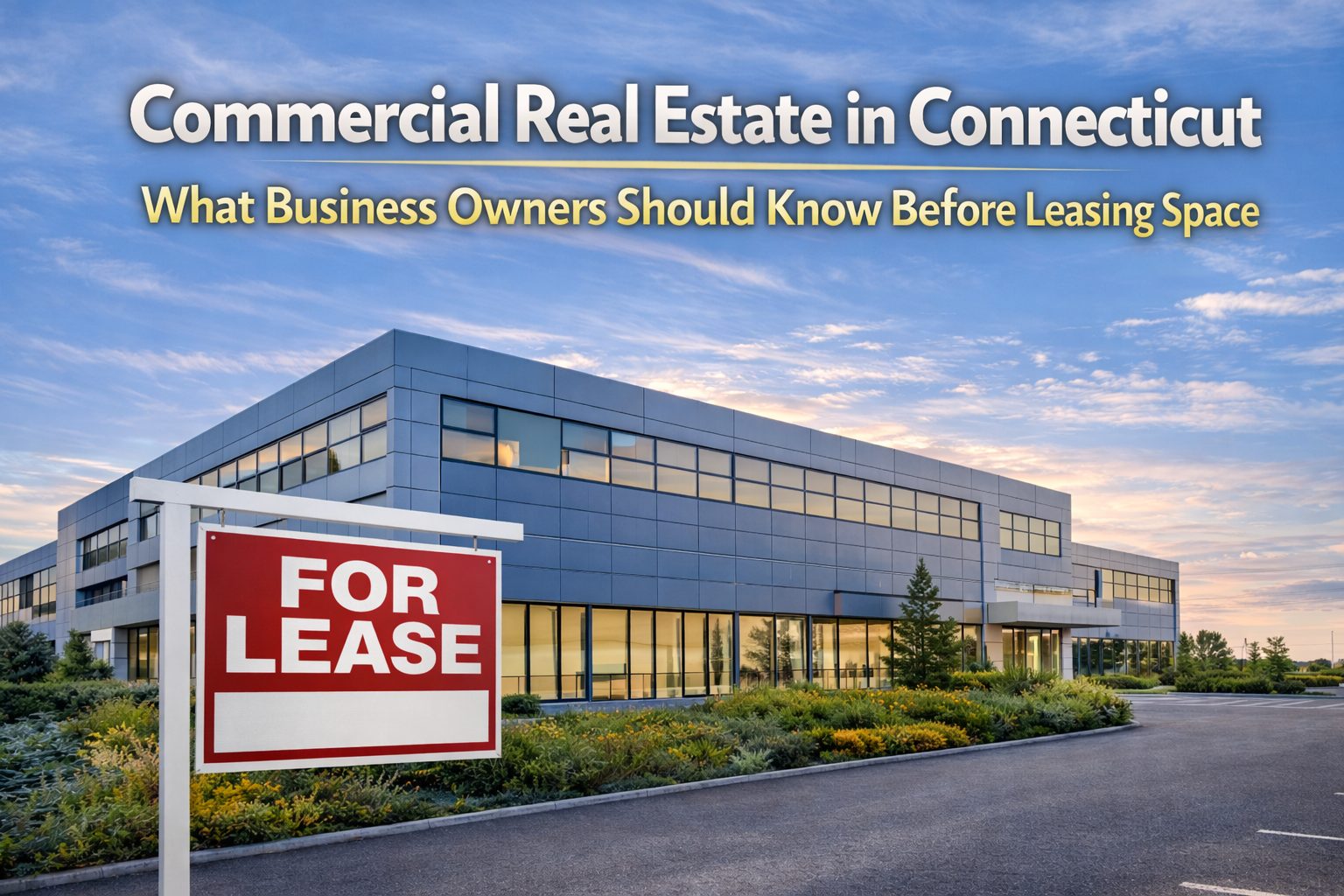
If you’re a business owner looking for commercial space in Connecticut, 2026 is a year where preparation matters.
The commercial leasing market has shifted over the past few years. Some sectors have tightened, others have softened, and many landlords are more flexible than they were pre-2020.
But here’s the truth: commercial leasing is not like renting an apartment.
A commercial lease can lock you in for years and affect your business finances every month.
So before you sign anything, here are the key things you need to understand.
- Know what kind of lease you’re signing
Most commercial leases fall into categories like:
- Gross lease
- Modified gross
- NNN (triple net)
This matters because it affects your monthly payment.
Many tenants think they’re paying “$2,500 a month,” then discover:
- CAM charges
- Taxes
- Insurance
- Snow removal
- Landscaping
- Common area electric
- Property management fees
Your actual payment can be much higher.
- Location still matters, but visibility matters more than ever
In CT, especially along Route 1 corridors, visibility is huge.
A space with strong signage, parking, and traffic count can outperform a “cheaper” space with poor access.
For retail and service businesses, you want:
- Easy in and out
- Good parking
- Clear signage
- Strong daily traffic
- Build-out costs can surprise you
Commercial space often needs work.
Even if it looks clean, you may need:
- Electrical upgrades
- Plumbing modifications
- HVAC work
- ADA compliance updates
- Fire code compliance
Sometimes landlords contribute to build-out, but it needs to be negotiated up front.
- Understand your term and options
A lease isn’t just about the first term.
It’s also about:
- Renewal options
- Rent increases
- Early termination (if any)
- Assignment and subletting rights
Business owners should always plan for growth and change.
- Always review the “hidden” sections
The most important lease sections are often not the rent paragraph.
Key clauses include:
- Personal guarantees
- Default language
- Late fees
- Repair responsibilities
- HVAC responsibility
- Roof responsibility
- Insurance requirements
These sections can become expensive if you don’t understand them.
Final thought
Commercial leasing can be one of the smartest moves for a business, but it should be done with strategy.
If you’re considering leasing space in Connecticut, I’m happy to help you evaluate terms, compare locations, and make sure you’re protected before you commit.